Healing Techniques

Learn about various art therapy, eco, EMDR, TTRPGs, and multi-modal techniques and approaches to enhance your self-exploration and healing through creative expression.
Art Therapy
Art therapy makes a difference. Art making is an enjoyable, fun activity that elevates our spirits and brightens our outlook on life. Art making relieves feelings of stress and helps us express ourselves. facilitates connections in the brain
Art therapy leads to a greater balance of mental states and experiences and leads to a reduction of the effects of stress. The brain has the potential to change through exposure to and interaction with external stimulating experiences such as those that occur with art therapy. Art making is inherently a novel experience which can help build connections in the brain towards pleasure and enjoyment. This can help change patterns of negative thinking towards a healthier outlook on life.
What is Art Therapy?
Art therapy is a modality that combines psychotherapy with the healing and transformative aspects of art and the creative process.
The American Art Therapy Association (AATA)provides the following definition of of Art Therapy: “Art therapy is an integrative mental health and human services profession that enriches the lives of individuals, families, and communities through active art-making, creative process, applied psychological theory, and human experience within a psychotherapeutic relationship.
Art therapy, facilitated by a professional art therapist, effectively supports personal and relational treatment goals as well as community concerns. Art therapy is used to improve cognitive and sensorimotor functions, foster self-esteem and self-awareness, cultivate emotional resilience, promote insight, enhance social skills, reduce and resolve conflicts and distress, and advance societal and ecological change.” https://arttherapy.org/about-art-therapy/
What does Art Therapy help with?
Art therapy helps individuals:
Become more responsible for their behaviors and develop more successful strategies
Develop new and creative solutions to problems
Develop respect and acceptance of self and others
Learn to experience and express emotion
Cultivate empathy and respect for thoughts and feelings of others
Learn new social skills and relational skills
Develop self-efficacy and a better assuredness about their abilities
Through integrative methods, art therapy engages the mind, body, and spirit in ways that are distinct from verbal articulation alone. Kinesthetic, sensory, perceptual, and symbolic opportunities invite alternative modes of receptive and expressive communication, which can circumvent the limitations of language. Visual and symbolic expression gives voice to experience and empowers individual, communal, and societal transformation.
Art therapy aims to help with personal growth and development. The practice of art therapy requires extensive, specialized education, training and experience. -Kristin Kane
_____________________________
EMDR
What is EMDR Therapy?
Eye Movement Desensitization and Reprocessing (EMDR) therapy is an integrative psychotherapy approach that has been extensively researched and proven effective for the treatment of trauma. EMDR is a set of standardized protocols that incorporates elements from different treatment approaches.
How does EMDR work?
EMDR therapy is an integrative psychotherapy and uses a technique called bilateral stimulation to repeatedly activate opposite sides of the brain. Therapists often use eye movements to facilitate the bilateral stimulation. These eye movements mimic the period of sleep referred to as rapid eye movement or REM sleep, and this portion of sleep is frequently considered to be the time when the mind processes the recent events in the person’s life.
EMDR seems to help the brain reprocess the trapped memories is such a way that normal information processing is resumed. Therapists often use EMDR to help clients uncover and process beliefs that developed as the result of relational traumas, or childhood abuse and/or neglect. For a more detailed explanation please visit EMDR Institute, Inc.
What does EMDR help?
EMDR had been originally established as helpful for PTSD, although it’s been proven useful for treatment in the following conditions:
Panic Attacks
Complicated Grief
Dissociative Orders
Disturbing Memories
Phobias
Pain Disorders
Performance Anxiety
Addictions
Stress Reduction
Sexual and/or Physical Abuse
Body Dysmorphic Disorders
Personality Disorders
None of the above symptoms or experiences fit you?
Do you experience distressing emotions that appear to you, and perhaps to others, to be excessive given the current situation? Do you tend to be highly reactive to certain triggers? Is there one or more dysfunctional belief that you believe about yourself that on an intellectual level you know is not true?
If so, you may still be a good candidate for EMDR therapy. - Kristin Kane
______
Mindfulness-Based Therapy
Mindfulness-based Therapy combines the ideas of cognitive therapy of challenging limiting beliefs with meditative practices and attitudes based on the cultivation of mindfulness. I incorporate mindfulness-based therapy with creativity engagement through art making.
Recent research has shown that people who have been clinically depressed three or more times in their life find that learning mindfulness-based skills help to considerably reduce their chances of depression returning.
Mindfulness helps people separate themselves from their thoughts and moods, and teaches them how to recognize their sense of well-being. It also aims to give participants the necessary tools to combat mental health symptoms as they arise.
Evidence indicates that mindfulness-based therapy may reduce the rate of depressive relapse by 50%. If you or someone you know may benefit from mindfulness-based therapy, please contact me today for a free consultation. I would be happy to speak with you about how I may be able to help. - Kristin Kane
---
Expressive Arts Therapy
Expressive Arts Therapy (EXAT) is a creative, relational, and body-centered approach to healing that uses art, writing, movement, music, storytelling, role-play, nature, and imagination to help people better understand themselves and move toward change. Unlike traditional talk therapy alone, EXAT recognizes that not everything meaningful can be explained in words. Sometimes the body knows first. Sometimes an image, metaphor, movement, or story reveals something deeper than analysis alone.
In AT or EXAT, you do not need to be “good at art.” This is not about performance, talent, or even making something beautiful, although that does happen. We focus on using creativity as a way of listening to yourself differently. Many people come to therapy feeling disconnected from their emotions, overwhelmed by stress, trapped in old patterns, or unable to fully explain what they are experiencing. Expressive Arts Therapy creates space to slow down, reflect, experiment, and reconnect with parts of yourself that may have been ignored, protected, or silenced for a long time.
EXAT can be especially helpful for people who feel stuck in overthinking, anxiety, trauma responses, burnout, grief, identity questions, life transitions, neurodivergence, or emotional numbness. Creative processes help access insight, flexibility, emotional regulation, and self-awareness in ways that are often more experiential and embodied than purely cognitive approaches. This work supports symptom reduction and deeper questions about meaning, values, identity, relationships, and how you want to live.
Sessions may include conversation alongside artmaking, visual journaling, symbolic exploration, movement, guided imagery, ritual, storytelling, role-play, or sensory-based experiences depending on your goals and comfort level. The process is collaborative, trauma-informed, and tailored to you. Some sessions are reflective and quiet. Others are active, imaginative, or exploratory. The goal is not to force expression, but to create a space where insight, clarity, and healing can emerge more naturally and authentically.
Eco or Nature Therapy
Nature therapy is based on the understanding that human beings are not separate from the natural world. Many people feel chronically overstimulated, disconnected, emotionally exhausted, or trapped in environments that keep the nervous system in a constant state of vigilance. Nature offers something different. It invites regulation, perspective, grounding, rhythm, and reconnection. Eco therapy integrates the healing qualities of the natural world into the therapeutic process through outdoor sessions, sensory awareness, reflection, creativity, symbolism, seasonal practices, and relationship with place. This work can help people feel more present in their bodies, less isolated, and more connected to themselves, others, and the larger living world around them. Nature therapy is particularly supportive for stress, trauma, grief, burnout, life transitions, spiritual exploration, and people who feel restored by natural environments but struggle to access that connection consistently in daily life.
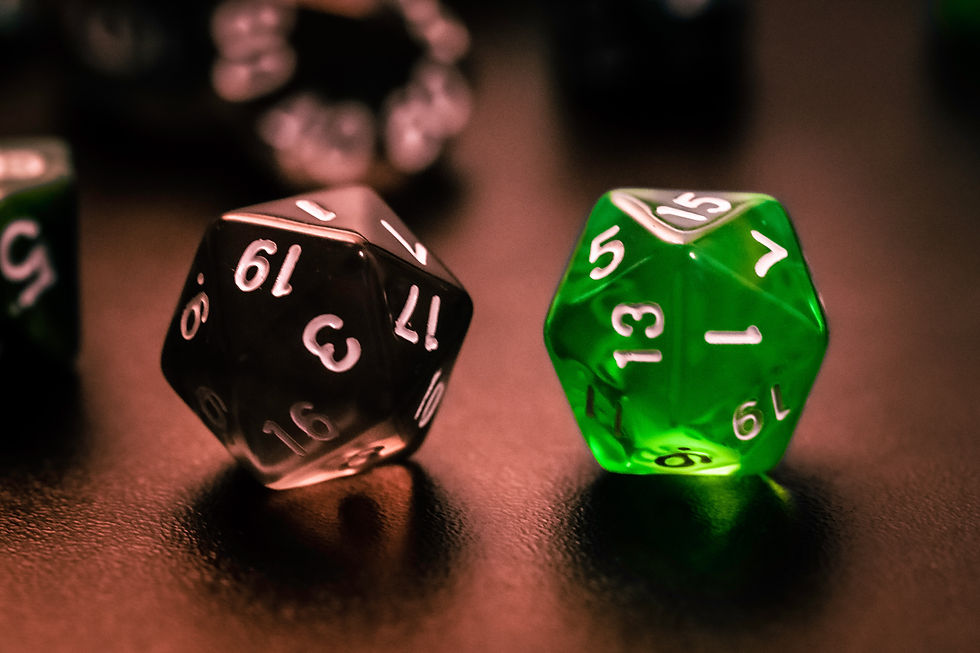
Therapeutic tabletop role-playing games (TTRPGs)
Therapeutic tabletop role-playing games (TTRPGs) are increasingly being explored as meaningful tools for social connection, identity development, emotional processing, and trauma-informed therapeutic work. Role-playing games engage imagination, storytelling, problem-solving, embodiment, and relational dynamics in ways that can support nervous system regulation and psychological flexibility.
For many people, especially adolescents, neurodivergent individuals, and trauma survivors, the structured “as-if” space of a role-playing game creates enough emotional distance to safely explore difficult themes, experiment with new behaviors, process conflict, and build self-efficacy without immediate real-world consequences.
Neurobiologically, collaborative storytelling and play activate systems involved in social engagement, emotional regulation, memory integration, creativity, and reward. Healthy play has also been linked to increased resilience, reduced stress responses, and greater cognitive flexibility.
In therapeutic settings, TTRPGs can help strengthen interpersonal skills, increase emotional expression, support identity exploration, and create corrective relational experiences through collaboration, narrative agency, and shared meaning-making (Bowman, 2010; Henrich & Worthington, 2021; Porges, 2011).
For many clients, therapeutic gaming offers something traditional settings sometimes struggle to provide: a felt sense of participation, belonging, imagination, and safe experimentation within relationship.
References
Bowman, S. L. (2010). The functions of role-playing games: How participants create community, solve problems and explore identity. The Functions of Role-Playing Games McFarland.
Henrich, M., & Worthington, R. (2021). Therapeutic applications of tabletop role-playing games: A scoping review. Psychotherapy International Journal of Role-Playing, 11, 38–55.
Porges, S. W. (2011). The polyvagal theory: Neurophysiological foundations of emotions, attachment, communication, and self-regulation. The Polyvagal Theory W. W. Norton & Company.-friendly resources to begin your self-discovery. Learn about rates and insurance.

Comments